
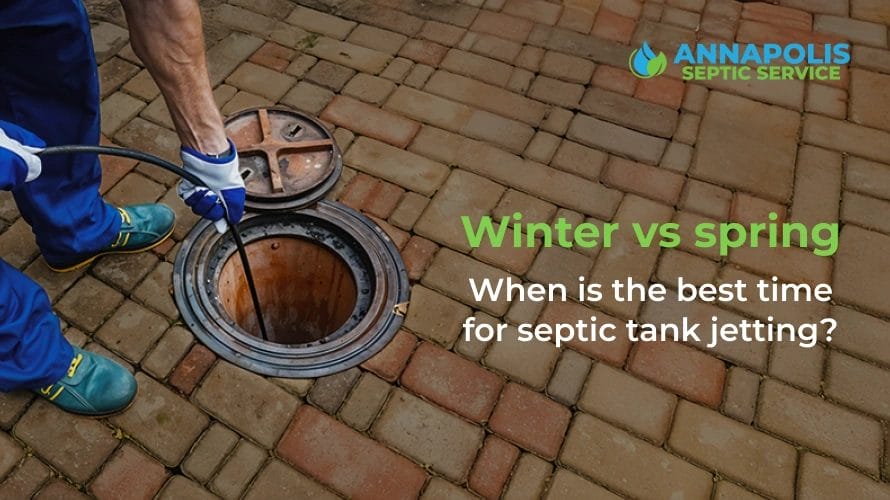
Your septic system works quietly behind the scenes, handling one of the most important tasks in your home. Most homeowners rarely think about it until something feels off. Slow-moving wastewater, lingering odors, or recurring backups often signal that your system needs attention. That is where septic tank jetting becomes an essential part of responsible home maintenance.
But timing matters more than many people realize. Should you schedule service during the colder months, or is it smarter to wait for warmer weather? Both winter and spring offer unique advantages, and understanding how seasonal conditions affect your system can help you make the best decision for your property.
Let’s take a closer look at how each season impacts your septic system and when it makes the most sense to schedule service.
Why timing matters for septic care
Your septic system responds directly to environmental conditions. Soil temperature, moisture levels, and household water usage all influence how efficiently waste moves through the system.
Septic system jetting uses high-pressure water to clear buildup inside pipes and restore proper flow. Over time, grease, soap residue, and solid waste can accumulate along pipe walls. If left unchecked, this buildup may lead to blockages that disrupt everyday routines.
Choosing the right season is not just about convenience. It is about preventing small concerns from becoming expensive repairs while keeping your system operating reliably year-round.
The case for winter jetting
Winter might not seem like the obvious time to think about septic maintenance, yet it offers several practical benefits.
First, household water usage often stabilizes after the busy holiday period. With fewer guests and less strain on the system, scheduling a jetting septic service during this quieter window can help address hidden buildup before it turns into a larger issue.
Frozen ground can sometimes create hesitation among homeowners, but professional equipment is designed to handle colder conditions. In fact, clearing pipes in winter helps prevent waste from accumulating in lines, where freezing temperatures can slow flow.
Another advantage is availability. Winter tends to be less hectic for service providers, which may allow for more flexible scheduling.
That said, severe weather can occasionally delay appointments. If your area experiences prolonged freezing temperatures, planning ahead becomes even more important.
Why spring is ideal for septic tank jetting
Spring represents renewal, and your septic system benefits from that same mindset.
As temperatures rise, the ground begins to thaw. This improves soil absorption and allows wastewater to move more efficiently through the system. Scheduling septic tank jetting during this period can prepare your home for increased water usage that often comes with warmer months.
Spring is especially helpful if your household expects visitors, outdoor gatherings, or seasonal activities that place extra demand on the system. Addressing buildup early reduces the likelihood of inconvenient disruptions later.
There is also a psychological benefit. Many homeowners already focus on seasonal upkeep in spring, making it easier to remember septic care as part of a broader home maintenance routine.
The main challenge is demand. Spring is a popular time for service appointments, so waiting too long may limit your scheduling options.
Winter vs. spring: what should guide your decision?
Rather than choosing a season based solely on the calendar, consider the condition of your system.
If you have noticed warning signs such as slow flow or recurring odors, waiting for warmer weather is rarely the best move. Prompt attention helps prevent complications regardless of the season.
On the other hand, if your system has been running smoothly but hasn’t been serviced in a while, spring is an excellent opportunity for preventive care.
Here are a few factors to keep in mind:
- Recent performance
Any unusual behavior deserves timely attention. - Household size
More occupants usually mean greater system demand. - Weather patterns
Mild winters and early thaws can expand your options. - Service history
If it has been several years, do not delay scheduling.
When handled proactively, septic system jetting supports long-term efficiency and reduces the chances of unexpected trouble.
Signs it is time to schedule service regardless of season
While seasonal timing is helpful, certain indicators should always take priority.
Persistent odors around your yard, gurgling sounds, or wastewater backing up into the home often suggest restricted flow. Ignoring these signals can lead to more extensive damage over time.
Routine jetting septic service helps remove stubborn buildup that standard maintenance may not fully address. Think of it as resetting your system so it can continue functioning the way it was designed to.
The key takeaway is simple: do not let the calendar override clear warning signs.
A smarter approach to year-round septic health
The real goal is consistency. Waiting until something goes wrong often leads to stress and higher costs. Instead, view septic care as part of your ongoing home maintenance strategy.
Many homeowners find that evaluating their system toward the end of winter or early spring creates a natural rhythm for upkeep. This approach allows you to address any concerns before peak usage arrives.
Staying attentive to changes, scheduling service at reasonable intervals, and responding quickly to warning signs all contribute to a healthier system and greater peace of mind.
Making the right choice for septic tank jetting
So, is winter or spring better for septic care? The honest answer is that both can be excellent choices depending on your system’s condition and your household’s needs. Winter offers the advantage of tackling buildup early, while spring prepares your home for months of heavier use.
What matters most is acting before minor issues escalate. Thoughtful timing paired with professional attention keeps everything flowing smoothly and helps you avoid unwelcome surprises.
If you are considering septic tank jetting and want experienced guidance, the team at Annapolis Septic Service is ready to help you make a confident, well-timed decision for your home.
FAQs
1. Is septic tank jetting better in winter or spring?
Both seasons can be suitable depending on your septic system’s condition. Winter is helpful for addressing buildup before freezing temperatures worsen slow flow, while spring prepares your system for increased household water usage. The best time is ultimately when your system shows early signs of restriction or when it has been a while since the last service. Acting proactively helps prevent larger issues later.
2. How do I know if my home needs septic tank jetting?
Common indicators include persistent odors, slow-moving wastewater, gurgling sounds, or recurring backups. These symptoms often suggest residue accumulating inside the pipes. Septic tank jetting uses high-pressure water to clear that buildup, allowing waste to move more efficiently and reducing strain on the overall system.
3. What is the difference between routine maintenance and septic system jetting?
Routine maintenance focuses on keeping the septic tank operating properly through scheduled care. Septic system jetting targets the pipes specifically, removing grease, soap residue, and debris that can cling to pipe walls over time. Think of it as a deeper reset that supports smoother flow and helps the system perform more reliably.
4. Can delaying jetting lead to bigger problems?
Yes. Waiting too long allows the buildup to harden and narrow the pathway for wastewater. This increases the likelihood of backups, unpleasant smells, and potential system stress. Scheduling jetting septic service at reasonable intervals helps catch minor concerns early, which is typically more convenient and less disruptive than dealing with an unexpected failure.
5. How often should homeowners consider jetting septic service?
There is no one-size-fits-all timeline because usage varies by household size, water habits, and system age. Homes with higher water demand may benefit from more frequent attention, while smaller households might require it less often. A good approach is to monitor system performance and schedule service when efficiency begins to decline rather than waiting for obvious warning signs.