
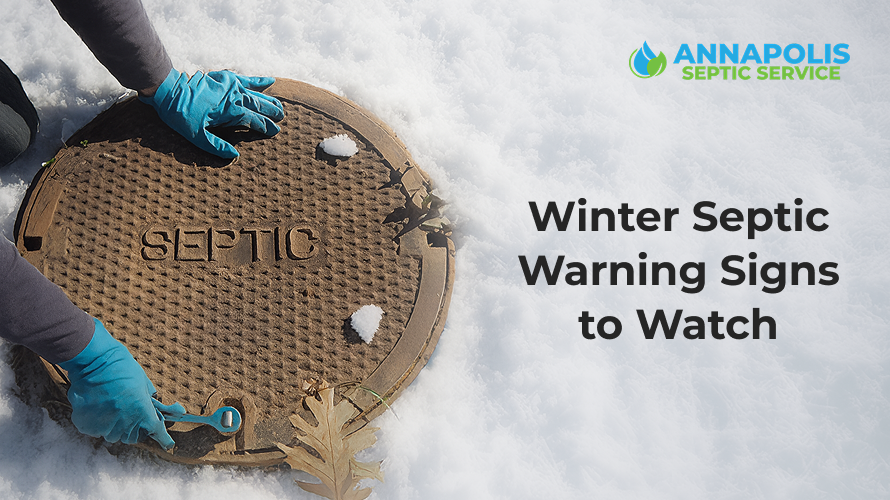
Winter has a way of revealing problems we didn’t even know existed, especially when it comes to your septic system. Cold temperatures, frozen ground, and increased indoor water use can expose hidden issues faster than any other season. Whether you rely on commercial septic systems or residential septic service to keep your home running smoothly, recognizing early septic warning signs in winter is key to preventing costly breakdowns.
Below, we break down what to watch for, why these symptoms show up in colder months, and when it’s time to bring in a professional before a small issue becomes a full-blown winter crisis.
Why Winter Makes Septic Problems Worse
Your septic system is already working hard behind the scenes, but winter adds a few challenges that can make even normal issues more noticeable. Frozen pipes, compacted soil, snow-covered drainfields, and increased indoor activity (think holidays, guests, and more frequent laundry loads) all put additional strain on your system.
This means even minor trouble can escalate quickly. Understanding which symptoms matter, and which ones require immediate help, can save you time, money, and stress during the iciest months of the year.
1. Slow Drains That Suddenly Get Worse
Slow drains in winter aren’t just annoying; they’re often the first of several major septic warning signs. If your sinks, showers, or tubs start draining sluggishly, and the problem gets worse rather than better, it may be more than a simple clog.
Cold temperatures can cause thicker wastewater flow, and if your tank is nearing capacity or your drainfield is stressed, the system won’t keep up. You may especially notice slow draining if you haven’t scheduled residential septic tank cleaning in a while.
When slow drains show up in more than one room, consider it your system’s way of asking for help.
2. Gurgling Sounds Coming From Toilets or Pipes
A gurgling noise from your pipes during winter is like a rumble of warning. When the tank or drainfield becomes overwhelmed, air has trouble moving through the pipes, often resulting in bubbling or gurgling.
Gurgling pipes can indicate:
- A full septic tank
- Blocked vent stacks
- Early drainfield freezing
- Wastewater flow obstruction
In a household with steady water use, these sounds shouldn’t be ignored. If your commercial property experiences this, it may signal a developing issue within your commercial septic systems as well.
3. Unpleasant Odors Inside or Outside Your Home
Winter air may be crisp and clean, but if you smell sewage indoors or outside near the drainfield, something is off. Odors commonly point to ventilation problems, a tank that needs cleaning, or frozen components restricting proper flow.
If you haven’t booked residential septic service in the last 2–3 years, the tank may be overdue for maintenance.
Sewage odors shouldn’t ever be considered normal winter behaviour from your septic system. Treat them as urgent.
4. Standing Water or Soggy Ground (Even in Freezing Weather)
Normally, frozen ground doesn’t allow pooling water, but if you see standing water or soggy patches near the drainfield during winter, it’s a major red flag.
This happens when:
- The drainfield is saturated
- The soil is compacted from snow and ice
- The system is overloaded
- Wastewater isn’t filtering properly
When wastewater can’t move through the soil, it backs up and rises to the surface. At this stage, you should call a professional immediately to prevent contamination, freezing damage, and expensive repairs.
5. Toilets Backing Up or Overflowing
This is one of the most serious septic warning signs, especially in winter when drainfield freezing limits your system’s ability to release wastewater. A toilet backup typically means wastewater has nowhere else to go, and the system needs urgent attention.
Sometimes the tank simply needs pumping, but in other cases, a frozen or clogged line may be the real issue. Either way, this is not a DIY situation.
6. Ice or Frost Forming Over the Drainfield
If you see frost, ice, or unusually frozen patches over the drainfield, it may indicate poor insulation due to low biological activity in the soil. When wastewater isn’t flowing properly (or flowing too slowly), the ground loses heat, allowing the top layer to freeze.
Left unchecked, this can lead to a complete system freeze-up, which is one of the toughest winter septic repairs to resolve.
If you want to dig deeper into how to protect your system in cold weather, make sure to read our blog titled Winter-Proof Commercial Septic Systems: Essential Maintenance Guide for more insights on septic system maintenance in the winter. It’s a great companion resource, especially if you manage or own commercial properties during peak cold months.
7. Your Home Feels “Off,” Even If the Signs Are Subtle
Sometimes septic problems in winter don’t show up dramatically. You may notice things like:
- Occasional bubbling in the sink
- A slow flushing toilet every now and then
- A faint odor that comes and goes
- Drains that work fine one day but slow down the next
These can indicate early strain in the system, especially if you haven’t scheduled residential septic tank cleaning for several years. Winter weather amplifies these symptoms, making it easier to catch problems early if you’re paying attention.
When Should You Call a Septic Professional?
The simple answer: call when something feels off. Winter is not the season to ignore changes in your septic system. A trained septic professional can evaluate whether you’re dealing with:
- A frozen line
- A clogged or full tank
- Drainfield saturation
- Soil compaction
- Ventilation blockage
- System overload
Early diagnosis prevents long-term damage and keeps your system working efficiently through the coldest months.
Winter Septic Support You Can Rely On
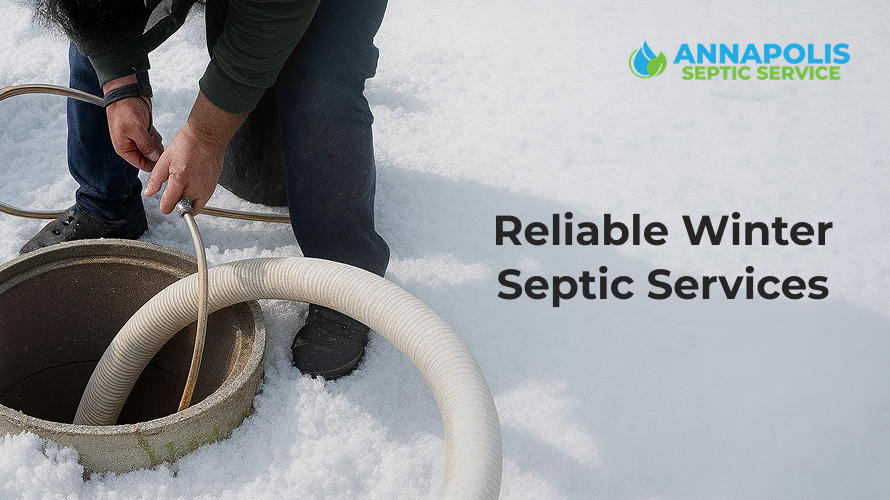
Winter is tough on septic systems, but you don’t have to navigate these challenges alone. Whether you’ve noticed one of these septic warning signs or just want to stay ahead of seasonal issues, Annapolis Septic Service is here to help keep your system running smoothly. We proudly provide septic service throughout Severna Park, Annapolis, Bowie, Edgewater, and Centreville, ensuring homeowners across the region get reliable support when winter issues strike.
From inspecting and pumping your tank to diagnosing cold-weather issues before they escalate, our team ensures your home stays comfortable and problem-free all winter long.
If you’re concerned about winter septic maintenance or want expert guidance tailored to your home, contact us today to learn more. We’re ready to help you keep your system healthy, no matter how cold it gets.
FAQs
1. What are the most common septic warning signs to watch for in winter?
Some of the most noticeable septic warning signs during winter include slow drains, gurgling noises in your pipes, unpleasant sewage odors, standing water near the drainfield, and toilet backups. Cold temperatures can make these issues appear more suddenly because frozen ground and increased indoor water use put extra pressure on the system. If any of these signs show up, especially more than one at the same time, it’s important to call a septic professional before the problem grows.
2. Why do septic issues get worse during cold weather?
Winter can magnify septic problems because frozen soil, snow cover, and dropping temperatures reduce how efficiently wastewater flows through the system. Drainfields may freeze, vent stacks can get blocked with ice, and pipes become more prone to clogs. People also tend to use more hot water during the winter, adding extra stress. These factors combine to make even small issues more noticeable and more urgent.
3. How do I know if my septic tank is full or if the problem is frozen pipes?
A full septic tank usually leads to slow drains, gurgling pipes, or odors coming from your fixtures. Frozen pipes, on the other hand, tend to cause sudden backups, no drainage at all, or noises that coincide with very cold temperatures. Because the symptoms can overlap, the best way to know the difference is to have a septic professional inspect the system. They can identify whether you need pumping, thawing, or repairs.
4. What should I do if I notice standing water near my drainfield in winter?
Standing water around the drainfield, especially when the ground is frozen, is a serious sign that your system is not dispersing wastewater properly. This could mean the drainfield is saturated, frozen, or overloaded. Avoid walking on the area, do not attempt DIY fixes, and contact a septic service provider right away. Quick action can prevent contamination and stop the system from freezing further.
5. Can routine residential septic service help prevent winter septic problems?
Absolutely. Regular maintenance, such as residential septic tank cleaning, inspections, and pumping, helps keep your system functioning efficiently before winter stress sets in. A well-maintained system is less likely to freeze, back up, or clog during the colder months. Scheduling routine service before winter arrives is one of the best ways to avoid costly repairs and keep your septic system operating smoothly all season long.