
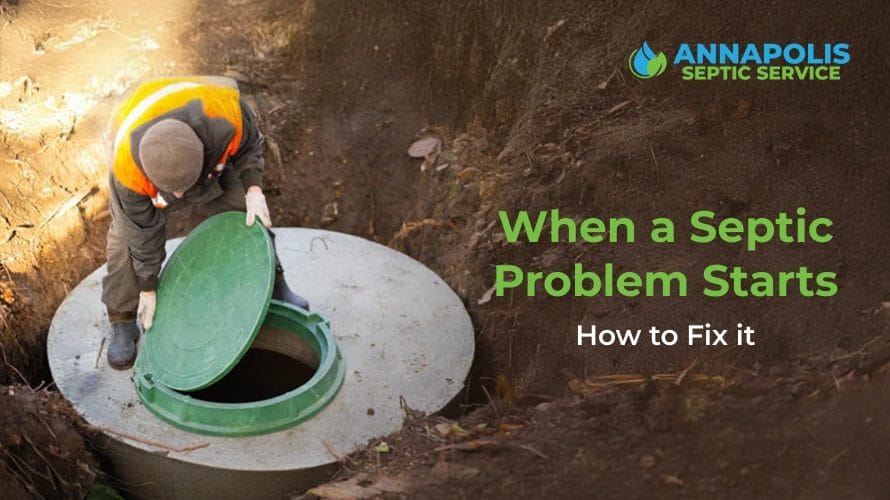
Septic issues rarely come with a clear instruction manual. When something feels off, many homeowners are left guessing whether a routine service will solve the problem or if something more serious is happening underground. Septic pumping and septic repair serve very different purposes, yet they are often confused. Knowing which one your home actually needs can prevent unnecessary costs, system stress, and long-term damage.
This guide breaks down the differences in a clear, practical way so you can make informed decisions when septic trouble shows up.
How a septic system works at a basic level
Before deciding between services, it helps to understand what is happening beneath your yard. A septic system is designed to separate waste into layers. Solids settle at the bottom, lighter materials float to the top, and liquid flows out for natural filtration. Over time, solids build up inside the tank and must be removed to keep everything functioning properly.
When this balance is disrupted, problems begin to surface inside the home and outdoors. The cause of the disruption determines whether residential septic pumping is enough or if septic repairs are needed.
What septic pumping is meant to handle
Septic pumping is preventive maintenance. Its main purpose is to remove accumulated sludge and floating waste before they interfere with system performance. Pumping at the correct intervals helps extend the system’s lifespan and prevent overflow-related issues.
Many common septic complaints stem from skipped or delayed pumping. Slow drains throughout the house, minor backups, or unusual gurgling sounds can often be traced back to an overfilled tank. In these cases, septic pumping restores space inside the tank so wastewater can flow as intended.
Homes with larger families or higher water usage tend to require pumping more frequently. Older systems may also fill faster due to wear and reduced efficiency.
Situations where pumping alone will not solve the problem
While pumping is effective for buildup issues, it does not fix damage. If parts of the system are broken or blocked, removing waste will only provide temporary relief. This is where septic repair comes into the picture.
Cracks in the tank, collapsed lines, or failure in the soil absorption area all require targeted repair work. If symptoms return quickly after pumping, that is often a sign that waste is backing up due to structural or functional issues rather than capacity alone.
Homeowners who repeatedly experience sewage smells, wet patches near the system, or wastewater surfacing outdoors should take these signs seriously. At that point, searching for septic repair near me usually means the system needs more than routine care.
Key warning signs and what they usually mean
Certain symptoms can help you narrow down which service is more appropriate.
If drains across the home are slowing down evenly and there has been no recent maintenance, septic tank pumping is often the right starting point. This is especially true if there are no visible signs of leakage or pooling outside.
If one area of the home is affected while others function normally, or if odors persist even after pumping, repairs may be needed. Standing water near the system or unusually lush grass in one spot often points to leakage or absorption issues.
Paying attention to how often problems occur is just as important as noticing the symptoms themselves.
Why guessing can cost more in the long run
Choosing the wrong solution may seem harmless at first, but it often leads to larger problems over time. Pumping a system that needs repair can mask symptoms without resolving the root cause. Meanwhile, damage continues to worsen beneath the surface.
On the other hand, assuming a repair is required without proper evaluation can result in unnecessary work and expense. Many issues that appear serious are actually the result of delayed maintenance rather than damage.
Professional evaluation ensures that the solution fits the problem. It also helps protect the system from avoidable strain.
How maintenance habits influence long-term system health
Homes that follow a consistent pumping schedule tend to experience fewer emergency situations. Regular care reduces pressure on the system and enables early identification of potential issues.
Ignoring maintenance often shifts small, manageable problems into costly repairs. Overfilled tanks discharge waste into areas not designed to handle solids, increasing the risk of system failure.
Understanding the role of septic pumping as routine care helps homeowners avoid reaching the point where repairs become unavoidable.
Making the right choice for your home
Every septic system is different. Factors such as household size, water usage, soil conditions, and system age all influence how quickly problems develop. There is no universal timeline or one-size-fits-all answer.
The key is responding based on symptoms rather than assumptions. When problems arise, evaluating whether the issue is due to buildup or damage helps you move forward with confidence rather than guesswork.
Choosing the right path forward
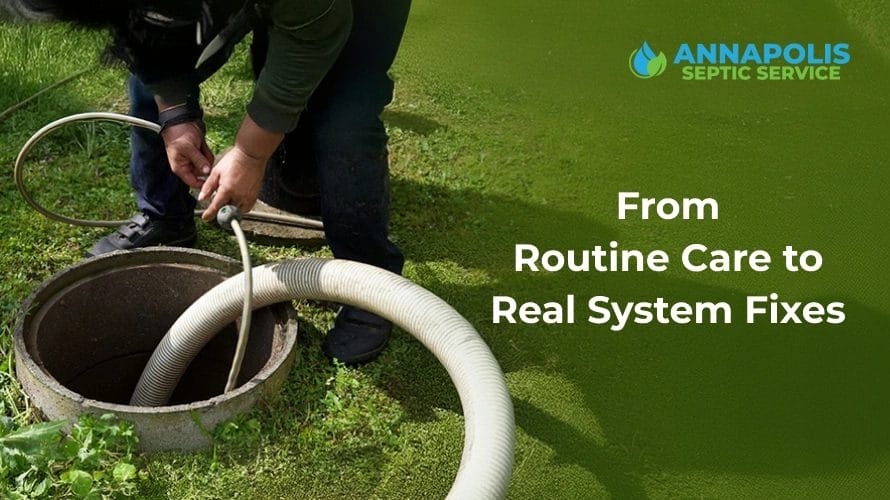
Septic problems do not always mean something is broken. In many cases, routine pumping is enough to restore proper function, reduce buildup, and prevent costly complications down the line. In other situations, timely septic repair is the safest way to protect the system itself, your yard, and the surrounding property from long-term damage.
For decades, Annapolis Septic Service has been helping homeowners make the right decision for their septic systems by providing honest assessments and dependable service. Serving Deale, Annapolis, Severna Park, and surrounding areas, our team offers both septic pumping and septic repair services based on what your home actually needs, not a one-size-fits-all solution. If you are unsure which direction to take, contact us to get clear, practical guidance tailored specifically to your septic system and local conditions.
FAQs
1. How do I know if my septic system needs pumping or repair?
The difference usually comes down to what is causing the problem. If your system has not been serviced in several years and you are experiencing slow drains or minor backups, pumping is often the right first step. If issues return quickly after pumping or you notice standing water, strong odors, or repeated backups, the system may need repair rather than routine maintenance.
2. How often should septic pumping be done for a typical home?
Most homes benefit from septic pumping every three to five years, but this can vary. Household size, water usage, and tank capacity all influence how quickly waste builds up. Homes with higher water use or older systems may require more frequent service to prevent overflow and system stress.
3. Can septic pumping fix recurring backups and odors?
Septic pumping can resolve backups and odors when they are caused by an overfilled tank. However, if these problems continue after pumping, they often point to damage or blockage within the system. In those cases, repair is needed to address the root issue rather than the buildup alone.
4. What happens if septic repairs are delayed too long?
Delaying repairs can lead to worsening damage, wastewater surfacing in the yard, and increased risk to surrounding soil and structures. Small issues that go untreated often become larger and more expensive problems. Addressing repairs early helps protect the entire system and reduces the chance of long-term failure.
5. Is it possible to prevent septic repairs with regular maintenance?
While no system lasts forever, regular pumping and mindful water use can greatly reduce the likelihood of major repairs. Routine care helps prevent solids from moving into areas where they cause damage. It also allows potential problems to be identified before they turn into serious system failures.