
Septic systems are vital to both residential and commercial properties, ensuring waste is properly processed and disposed of in areas not connected to municipal sewer systems. While they serve similar functions, residential and commercial septic systems differ significantly in terms of design, maintenance, and capacity. With fall around the corner, it’s essential to understand the distinctions between these systems and how to maintain them properly.
In this blog post, we’ll explore the key differences between residential vs. commercial septic systems and highlight crucial maintenance tips for the fall season. Let’s dive in!
Understanding the Basics – What Are Septic Systems?
Septic systems are underground wastewater treatment structures that use a combination of natural and mechanical processes to treat waste from bathrooms, kitchens, and laundry areas. These systems typically consist of a septic tank and a drain field (also known as a leach field). Wastewater from your home or commercial building flows into the septic tank, where solids settle to the bottom, and liquids are discharged into the drain field for natural filtration.
While both residential and commercial septic systems operate on this principle, their specific designs and requirements vary depending on the scale of waste being processed.
Key Differences Between Residential and Commercial Septic Systems
1. Size and Capacity
One of the most notable differences between residential vs. commercial septic systems is the size and capacity.
- Residential septic systems are typically smaller and designed to handle the waste generated by a single-family home or a small multi-family residence. The septic tank’s capacity is generally between 1,000 and 1,500 gallons, sufficient for a household of four to five people.
- Commercial septic systems, on the other hand, are built for much larger volumes of waste. These systems may serve office buildings, restaurants, schools, or industrial facilities. Their tanks often range from 3,000 to 5,000 gallons or more, depending on the business’s size and the number of employees or customers.
2. Waste Type
Residential and commercial septic systems also differ in the types of waste they handle.
- Residential septic systems primarily manage household waste, generally a mix of organic material, soap, and detergents.
- Commercial septic systems may need to process more complex waste types, especially in industries such as food service, which produces grease and oil. Commercial systems may require additional components, like grease traps, to handle these materials and prevent them from clogging the system.
3. Frequency of Use
Another significant difference is the frequency and intensity of use.
- Residential septic systems are used intermittently, with periods of low or no usage (e.g., when the family is away). This allows the system time to rest and recover.
- Commercial systems often operate continuously, with constant flow throughout the day. This puts more strain on the system, requiring frequent maintenance and potentially leading to faster wear and tear.
4. Regulatory Requirements
Regulations for septic systems vary between residential and commercial installations.
- Residential septic systems are subject to local health department regulations, which usually focus on ensuring the system is adequately sized for the household.
- Commercial septic systems must comply with more stringent regulatory standards due to the larger volume of waste and potential environmental impact. Businesses may need to obtain specific permits and undergo regular inspections to ensure environmental and safety standards compliance.
Maintenance Tips for Residential and Commercial Septic Systems
Fall is an excellent time to prepare your septic system for the cooler months ahead. Whether you’re a homeowner or a business owner, proper septic maintenance ensures your system runs efficiently and prevents costly repairs.
1. Schedule a Professional Inspection
Both residential and commercial septic systems should undergo regular inspections. It’s recommended to have your system inspected every 3-5 years for residential properties, while commercial septic service in Annapolis typically requires more frequent checks due to higher usage.
An inspection can identify potential issues such as tank overfilling, drain field problems, or leaks. Early detection can save you from expensive repairs later.
2. Pump Your Septic Tank Regularly
Regular pumping is essential to prevent solids from building up in the tank and overflowing into the drain field. For residential septic tank services in Bowie, pumping every 3-5 years is usually sufficient. However, commercial systems require more frequent pumping, often once a year, depending on the waste volume.
Fall is a good time to schedule pumping, ensuring your system is in top condition before winter sets in.
3. Keep Your Drain Field Clear
The drain field is where wastewater is naturally filtered back into the ground. For both residential and commercial systems, it’s essential to keep the drain field clear of heavy objects, vehicles, and excessive vegetation. This fall, ensure that leaves, branches, and other debris are cleared from the drain field area to maintain proper filtration.
4. Use Water Wisely
Excessive water use can overwhelm your septic system, especially in commercial settings where water usage is constant. Fall is a good time to assess your water habits and implement water-saving techniques, such as fixing leaky faucets, installing low-flow fixtures, and spreading out laundry loads throughout the week.
5. Monitor Grease and Oil
For businesses in industries like food service, managing grease and oil is crucial. Install grease traps and schedule regular cleaning to prevent blockages in your commercial system. For homeowners, avoid pouring grease and oil down the sink, as this can clog the pipes and lead to septic problems.
For more information on maintenance of your residential or commercial septic systems in the Fall, you might find this blog titled Top Fall Maintenance Tips for Your Residential Septic System in Annapolis useful too.
Choosing the Right Septic System for Your Property
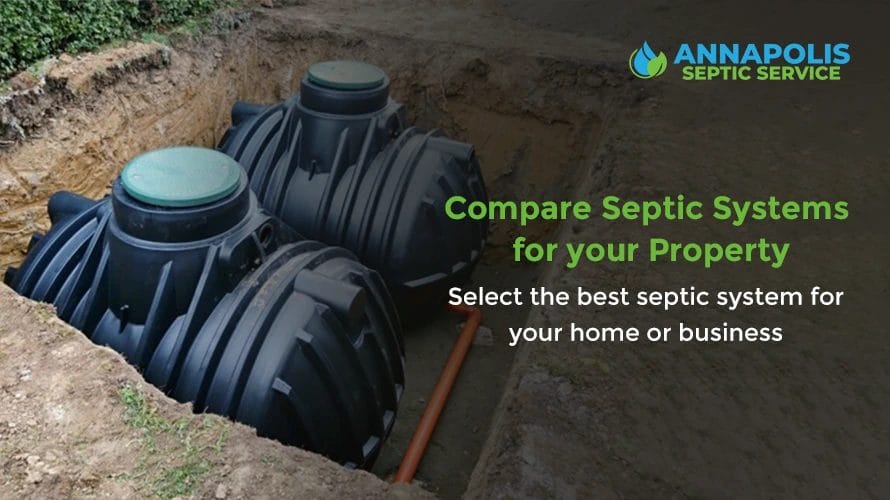
Whether you need a residential septic tank service in Bowie or are managing a commercial property, choosing the right septic systems for your needs is essential. Residential systems are perfect for homes with moderate waste production, while commercial systems are built to handle larger volumes and more complex waste types. Understanding these differences helps ensure that you maintain and service your system effectively.
Annapolis Septic Service – Fall Maintenance for Your Septic Systems
At Annapolis Septic Service, we understand the unique needs of both residential septic systems and commercial septic systems. As the weather cools down this fall, it’s essential to ensure your system is functioning at its best. Our team of experts offers comprehensive residential and commercial septic systems services in Bowie, Annapolis, Severna Park, Edgewater, Centreville, and the surrounding areas, providing everything from inspections and pumping to drain field maintenance and grease trap cleaning.
Don’t wait until winter to address your septic system’s needs. Contact Annapolis Septic Service today to schedule your fall maintenance and keep your septic system running smoothly all year long!
By understanding the key differences between residential vs. commercial septic systems, you can better care for your property’s wastewater management and avoid unnecessary problems. Whether you’re maintaining a home or managing a business, regular maintenance is the key to a healthy septic system.