
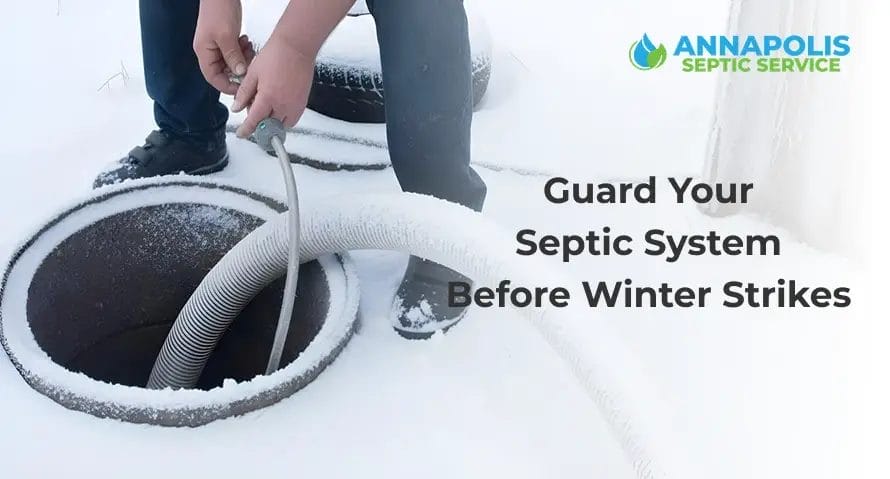
Winter has a way of sneaking up on all of us. One day you’re enjoying crisp fall mornings, and the next you’re worrying about frozen yard lines, icy driveways, and whether your heating can handle another season. But there’s one thing most homeowners forget to think about until there’s a problem: their residential septic system.
Cold weather can be tough on septic lines. When temperatures drop, the pipes and soil surrounding your system become more vulnerable, and the risk of backups, freezing, and slow drainage increases. The good news is that with the right care, your system can get through even the coldest Maryland winter without drama. This blog walks you through what to watch for, what to avoid, and how small maintenance steps can make a big difference.
Why Winter Is Tough on Residential Septic Systems
Your septic system is a quiet worker. Most of the time, you don’t notice it. But during winter, the soil becomes colder and can freeze, putting pressure on the septic lines beneath the surface. When the ground hardens, wastewater flow may slow down or stop altogether. And when that happens, the risk of backups increases.
Winter also tends to bring a surge in household water usage. More time spent indoors means more laundry, more showers, and more kitchen activity. All that water needs somewhere to go, and your septic system has to keep up.
This combination of colder temperatures and heavier use is exactly why winter preparation matters.
Early Signs Your System Might Struggle This Winter
Even before the coldest months arrive, your septic system often gives you little hints that it needs attention. Some of the most common early warning signs include:
- Water taking longer than usual to empty.
- Gurgling sounds coming from sinks or tubs.
- Wet spots forming over your drainfield.
- A faint odor around the yard.
- Toilets requiring multiple flushes.
These issues don’t necessarily mean a major problem is on the way, but they are reminders that winter is not the time to ignore your system. If you notice any of these signs, it may be time to consider residential septic tank pumping or schedule a routine septic system inspection before the temperature drops further.
Keeping Your Septic Lines Protected as the Temperature Drops
Protecting your septic system in winter isn’t complicated, but it does require a bit of attention. The main goal is to keep wastewater moving freely and prevent the pipes from freezing.
1. Be Mindful of What Goes Down the Drain
Winter is not the season to overwhelm your drains with heavy waste. Grease, oils, wipes, or thick food scraps can quickly cause blockages. When the temperatures are cold, even small clogs can snowball into bigger issues.
2. Spread Out Water Usage
During winter, pipes work harder because the cold slows everything down. Doing all your laundry in one afternoon or running multiple long showers back-to-back can overwhelm your septic lines. Instead, try spacing out your water-heavy activities throughout the week.
3. Keep Your Yard Insulated Naturally
Snow can help protect your septic lines. A blanket of snow acts like insulation, keeping the soil above your pipes from freezing too quickly. Avoid shoveling or plowing away snow on areas above the septic lines unless necessary.
4. Schedule Preventive Maintenance Before Winter Hits
Late fall is the perfect time to schedule residential septic tank pumping or a thorough septic system inspection. This ensures your system is working at its best heading into winter, reducing the risk of slowdowns or backups when the ground is frozen.
Winter Challenges for Commercial Properties Too
While this blog focuses on protecting your home’s septic lines, winter can be just as tough on commercial systems. If you’re also responsible for a commercial property or simply curious about the differences, take a moment to read this blog titled Winter-Proof Commercial Septic Systems: Essential Maintenance Guide for more insights on the importance of winter-proofing your commercial septic system. It ties in perfectly with everything we’ve discussed here.
Preventing Frozen Pipes in Your Residential Septic System
Frozen lines are one of the biggest concerns homeowners face in cold weather. Once a line freezes, wastewater has nowhere to go, which can quickly turn into a messy and urgent situation.
Here are a few ways to prevent freezing:
- Ensure there is consistent water movement throughout the system. Using your water regularly can help keep lines warm enough to prevent freezing.
- Avoid compacting the soil above your septic system. Heavy vehicles, foot traffic, or storage items can compact the soil, making it harder for the system to remain naturally insulated.
- Keep an eye on your outdoor water usage. A forgotten garden hose or outside faucet dripping slowly can lead to frozen surface lines that disrupt water flow.
If at any point you notice your drains slowing down more than usual during winter, don’t wait to take action. A small slowdown could be the first sign of freezing within the lines.
Why a Winter Septic System Inspection Matters
Winter is not the time you want surprises. A septic system inspection gives you peace of mind by checking the condition of your tank, lines, and drainfield before temperatures drop even further. Technicians look for early signs of stress, buildup, or wear so you can address issues before they turn into emergencies.
Think of it like giving your septic system a winter coat. A little preparation now can save a lot of trouble later.
Your Winter Septic To-Do List
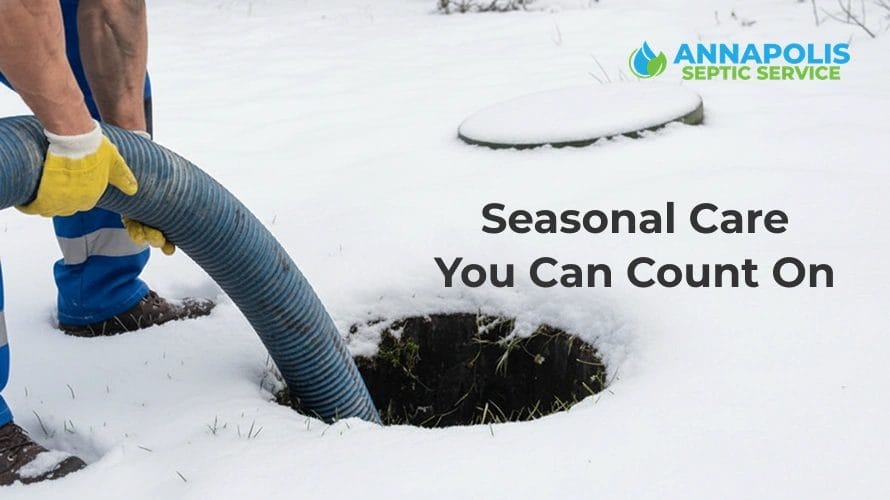
Here’s a quick recap of simple, homeowner-friendly steps to help protect your Residential Septic system during winter:
- Pay attention to early warning signs.
- Reduce heavy, back-to-back water usage.
- Keep natural ground insulation in place.
- Be mindful of what you send down your drains.
- Schedule professional maintenance before the first freeze.
Small habits make a big difference when the weather turns cold.
Conclusion
Winter doesn’t have to be stressful for your septic system. With thoughtful care, consistent water habits, and seasonal maintenance, your home’s residential septic system can stay healthy, efficient, and reliable year-round. Annapolis Septic Service proudly serves homeowners in Severna Park, Annapolis, Bowie, Edgewater, and Centreville, ensuring reliable support throughout the colder months. If you want expert help preparing your system for the colder months, Annapolis Septic Service can guide you through the best steps for protecting your residential septic system in the winter. Contact us to learn more and ensure your home stays worry-free this season.
FAQs
1. How do I know if my Residential Septic system is at risk during winter?
Slow drains, gurgling sounds, wet areas above the drainfield, or lingering odors can all be early signs that your system may struggle in cold weather. These issues often indicate buildup or reduced flow, which can worsen when temperatures drop.
2. Can freezing temperatures damage septic lines?
Yes. When the ground freezes, wastewater flow slows down, and septic lines can freeze. This prevents wastewater from moving through the system, which can lead to backups. Preventive care and regular water use help avoid frozen lines.
3. Is residential septic tank pumping necessary before winter?
It is highly recommended. Pumping the tank before winter clears out buildup and ensures smoother flow during the colder months. It reduces the chances of backups when the ground becomes harder and less absorbent.
4. What does a septic system inspection include?
A qualified technician checks the tank, lines, and drainfield for signs of wear, blockages, buildup, or potential freezing risks. They also assess water flow and overall system health. An inspection before winter provides extra protection against seasonal issues.
5. What daily habits help protect my septic lines in the cold months?
Spacing out water usage, keeping snow over the yard areas above your system, avoiding sending oils or wipes into drains, and preventing soil compaction over the system can all help your septic lines stay healthy in winter.