
Nothing reminds you of how much you rely on your septic system like the moment it stops working. Slow drains, gurgling toilets, foul smells outside, and standing water near the drain field. Just one of those symptoms is enough to ruin your day. Cold weather exacerbates these problems, and if your septic system is already stressed, winter only intensifies the issue.
That’s why preparing your system before the cold arrives is one of the smartest things a homeowner can do. More specifically, scheduling septic tank jetting before winter gives your septic system the fresh start it needs to handle freezing temperatures, increased holiday use, and heavy water loads. Pumping alone won’t fix the buildup that’s stuck inside the lines. Tank jetting will.
What Is Tank Jetting and Why Does It Matter?
Tank jetting is a deep-cleaning process that uses high-pressure water to blast away the sludge, grease, and compacted waste that coat the inside of septic lines. Over time, the walls of your pipes collect sticky buildup that narrows the passageway. Pumping removes sludge from the tank itself but does nothing to clear out that sticky buildup inside the pipe network. Tank jetting reaches what pumping can’t.
Imagine rinsing a dirty bowl with water versus scrubbing it clean. Pumping is the rinse. Tank jetting is the scrub.
Why Winter Makes Septic Problems Worse
Cold temperatures alter the behavior of your septic system. Wastewater moves more slowly. Grease and sludge harden. If the line between the house and the tank is already partially clogged, cold weather can turn a minor issue into a full backup.
Slow drains that seem manageable in the fall can escalate into:
- Toilets that refuse to flush all the way.
- Sinks draining painfully slow.
- Gurgling noises every time water runs.
- Smelly wet patches appearing near the tank or drain field.
If the line freezes, the only solution may involve digging through frozen ground. No homeowner wants that in the chilling winter months.
Pumping vs. Tank Jetting
Many homeowners assume pumping fixes every septic issue. Pumping removes the solid waste and sludge settled at the bottom of the tank. It is essential maintenance. But when you’re dealing with slow drains, odors, or recurring issues only weeks after a pump-out, that’s almost always buildup inside the pipes, not sludge in the tank.
Tank jetting resets the entire flow path. Once those lines are clear, wastewater moves freely, and your system stops fighting itself.
How Tank Jetting Works
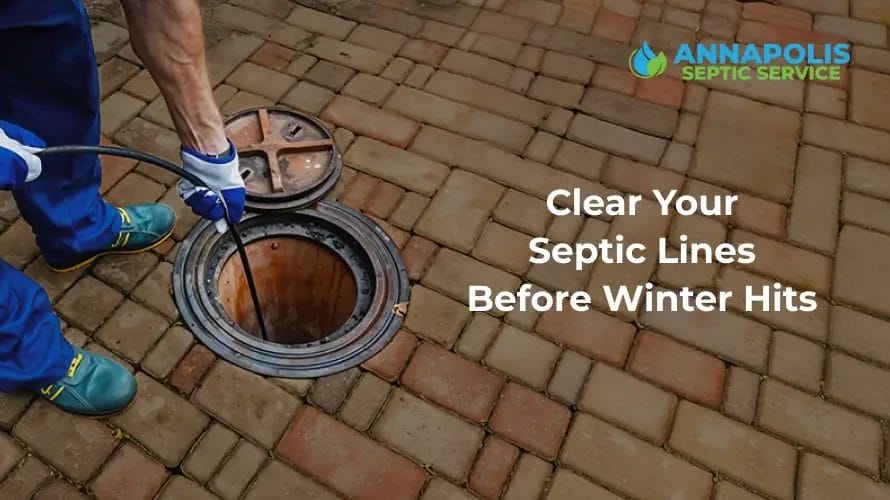
The process is surprisingly simple. A technician inserts a hose connected to a high-pressure jetting machine into the septic line. Water pressure moves through the line, blasting away hardened grease, sludge, paper accumulation, and any other debris that has narrowed the pipe. The dislodged debris flows back into the tank, and if necessary, the tank is pumped afterward to remove the loosened waste.
No digging. No chemicals. No guessing. Just a clean, clear septic system.
Signs Your System Needs Tank Jetting Before Winter
If your system shows any of these symptoms, buildup is already restricting flow:
- Drains throughout the house feel slower than usual, not just one sink or shower.
- The toilet flushes weakly or makes gurgling noises afterward.
- You notice odors outdoors, especially near the drain field.
- You recently pumped the tank, but the problems returned.
Ignoring these symptoms before winter is a risky move. Once cold temperatures hit, everything inside the line becomes harder and thicker, and the restricted flow makes backups more likely.
Why Tank Jetting Works So Well as a Pre-Winter Solution
Septic tank jetting removes buildup that thickens and hardens during colder months. When pipes are clogged or narrowed, waste sits in the line longer, which increases the chance of freezing. Clearing that buildup now keeps wastewater moving smoothly and reduces stress on your entire system.
Tank jetting also protects the drain field. When wastewater cannot flow through the pipe efficiently, it overloads a specific area of the drain field, resulting in pooling and soggy ground. A clean line distributes waste evenly, helping the soil process and filter wastewater correctly.
A septic system is much like a highway. If there’s a traffic jam at the entrance, nothing moves efficiently. Tank jetting removes the traffic jam before peak season hits.
How Often Should Homeowners Get Tank Jetting?
Most systems benefit from tank jetting every three to five years, depending on household size, water usage, and the types of materials that go down the drains. Homes that rely on garbage disposals or use wipes, even those labeled flushable, may need jetting sooner.
The timing isn’t just about frequency. It’s about preparation. Winter is when septic systems are under the most stress, which is why jetting before the cold season matters.
Why Homeowners Love Tank Jetting Once They Try It
The most noticeable improvements happen immediately. Drains move faster. Toilets flush strongly. Lingering odors disappear. There’s also peace of mind knowing the system can handle winter without surprise backups or emergency calls.
Once homeowners experience tank jetting, it becomes a regular part of their winter prep.
Give Your Septic System a Fresh Start Before the Cold Arrives
Your septic system works quietly behind the scenes every single day, and winter is the toughest season for it to perform. Tank jetting clears out buildup that pumping cannot touch, giving your system the clean slate it needs to handle freezing temperatures and heavy seasonal use.
Tank jetting isn’t just preventative maintenance. It’s a smart way to avoid winter emergencies, protect the drain field, and enhance the overall performance of your entire septic system.
Annapolis Septic Service offers professional winter septic tank jetting services in Anne Arundel County, Prince George’s County, Calvert County, Queen Anne’s County, and surrounding areas. If you’re already noticing slow drains, recurring odors, or just want to prevent surprise winter issues, now is the time to reach out.
Contact us to learn more or schedule a pre-winter tank jetting service.
FAQs
1. What is septic tank jetting, and how is it different from pumping?
Septic tank jetting uses high-pressure water to clear buildup inside pipes, whereas pumping removes sludge only from the tank. Jetting tackles clogs in lines, ensuring smoother flow and preventing backups.
2. How do I know if my septic system needs tank jetting before winter?
Signs include slow drains, gurgling toilets, recurring odors near the tank or drain field, or issues that persist even after a recent pump-out. These indicate a buildup in the pipes.
3. How often should tank jetting be done?
Most homeowners benefit from tank jetting every three to five years. However, systems with heavy usage, garbage disposals, or frequent use of flushable wipes may require it sooner, especially before winter.
4. Can tank jetting prevent frozen pipes or winter backups?
Yes. Clearing buildup ensures wastewater moves freely through pipes, reducing the risk of freezing, backups, and overloading the drain field during cold months.
5. Is tank jetting messy or invasive?
No. The process involves inserting a high-pressure hose into the septic line to clear buildup. Debris is flushed into the tank, and the service is completed without the need for digging or chemicals.