
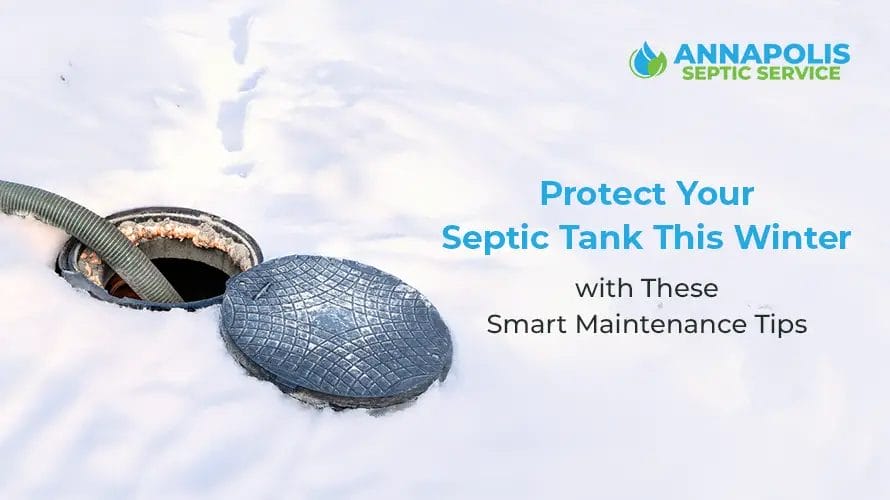
Winter brings with it a beautiful holiday season, cozy nights, and sometimes, freezing temperatures. But when the weather turns cold, it also poses unique challenges for your septic tank. Whether you’re a homeowner or business owner, it’s important to understand how the winter weather can affect your septic system and what steps you can take to ensure your commercial or residential septic tank stays in working order.
This blog post will walk you through how winter weather impacts your septic tank, what you can do to protect it, and how residential and commercial septic tank services can help you keep things running smoothly during the colder months.
Understanding How Winter Weather Affects Your Septic Tank
The colder temperatures of winter can have a significant impact on your septic tank. Septic systems rely on the natural breakdown of waste by bacteria in the tank, a process that requires a certain level of warmth to function effectively. When temperatures dip below freezing, several issues can arise.
1. Frozen Pipes and Drain Fields
One of the most common winter-related issues for septic systems is frozen pipes. When the pipes leading to or from your septic tank freeze, waste and water can’t flow freely through the system. This can cause backups, overflows, and clogs, which are both inconvenient and potentially costly to repair.
- What to Do: Insulate pipes that are exposed to cold air, like those in basements or crawl spaces. You can use foam insulation, heat tape, or other methods to keep your pipes from freezing.
- Drain Field Protection: If your drain field freezes, wastewater cannot properly percolate through the soil. This can lead to wastewater backing up into your home or business. Ensure that the area around your drain field is clear of debris and snow, as this will allow heat to escape from the ground and reduce the likelihood of freezing.
2. Increased Water Usage Strain
During winter, more people tend to use hot water for longer periods—whether it’s for showers, laundry, or other purposes. Hot water is essential for a healthy septic system, as it helps to break down waste. However, too much hot water flowing into your septic system at once can overload the system and affect its performance.
- What to Do: Be mindful of how much hot water you are using. Spread out laundry loads, avoid long showers, and keep track of water usage in your household or business. This helps prevent overloading your septic tank, which can lead to backups or failure.
3. Decreased Bacterial Activity
The bacteria in your septic tank are responsible for breaking down waste. During the winter, the cold temperatures slow down the natural biological processes, which means waste may not break down as quickly as it would in warmer months. This could lead to slower tank drainage or a full tank if waste accumulates too quickly.
- What to Do: You can help your septic system by avoiding the use of harsh chemicals that may kill the beneficial bacteria in your tank. Additionally, ensure regular maintenance, such as septic tank pumping, to prevent buildup of solids in the tank.
4. Frozen Septic Tank and Overflow
The septic tank itself can also freeze in extremely cold weather, especially if it’s located in an uninsulated area or is shallow in the ground. If the septic tank freezes, it will disrupt the normal flow of waste and wastewater, potentially causing an overflow or backup into your home or business.
- What to Do: If you live in an area with extreme cold, it’s essential to ensure that your septic tank is properly insulated. Keeping snow off of the tank and its pipes can also help prevent freezing. A professional septic tank service can help with insulation and ensure your tank is properly prepared for winter.
5. Snow and Ice Accumulation
While snow and ice are a beautiful part of winter, they can also cause issues with your septic system if too much builds up over your tank or drain field. Snow can block airflow to your septic tank, which could lead to freezing. Heavy ice or snow accumulation can also damage the septic tank and its components.
- What to Do: Clear any snow that accumulates over your septic system, especially the drain field. However, avoid using a snow blower or heavy machinery, as this could damage the system.
How to Protect Your Septic Tank in Winter
As winter approaches, there are several key steps you can take to protect your septic system from the harsh weather. Some of these precautions can be done by homeowners themselves, while others might require professional help.
Insulate Your System
Proper insulation around your septic tank, pipes, and drain field can help prevent freezing and keep your system running smoothly. Installing foam or fiberglass insulation around your pipes is a simple way to keep them safe from freezing temperatures. For those with septic tanks located in uninsulated areas, you may want to consider a professional service to add insulation around the tank itself.
Regular Maintenance and Inspections
Regular maintenance is key to ensuring your septic system operates effectively, especially in the winter. Have your septic tank pumped and inspected before the cold sets in. A professional inspection can catch potential issues such as leaks, cracks, or any early signs of freezing, which can save you from bigger problems down the line.
Minimize Water Usage
Be mindful of your water usage in the winter, particularly in colder months when your septic system might already be under stress. Avoid running multiple water-intensive appliances at the same time, and consider taking shorter showers and doing laundry in smaller batches.
Keep Your Drain Field Clear
Your drain field should be kept clear of snow, leaves, or any other debris that could prevent airflow and increase the risk of freezing. Ensure there are no vehicles or heavy machinery parked over the drain field as the weight can damage the pipes or soil.
Why Residential Septic Tank Services Are Essential in Winter
During winter, regular septic tank maintenance and inspections become even more critical. With the challenges the cold weather presents, it’s crucial to ensure your system is in good working order. Residential septic tank services can provide you with the expert care you need to ensure your septic system is properly maintained, preventing costly issues.
If you are a business owner, commercial septic tank cleaning services are also a must. Whether it’s for a restaurant, hotel, or retail business, keeping your septic system running smoothly in the winter can prevent disruptions and ensure your customers are not affected by plumbing issues.
More Insights on Winter Septic System Care
If you’re looking for more information on how to prepare your septic system for the winter, you can read our blog post titled “Is Your Septic System Ready for Winter? Signs You Shouldn’t Ignore”. This post offers more detailed guidance on how to keep both residential and commercial septic tanks functioning properly during the colder months.
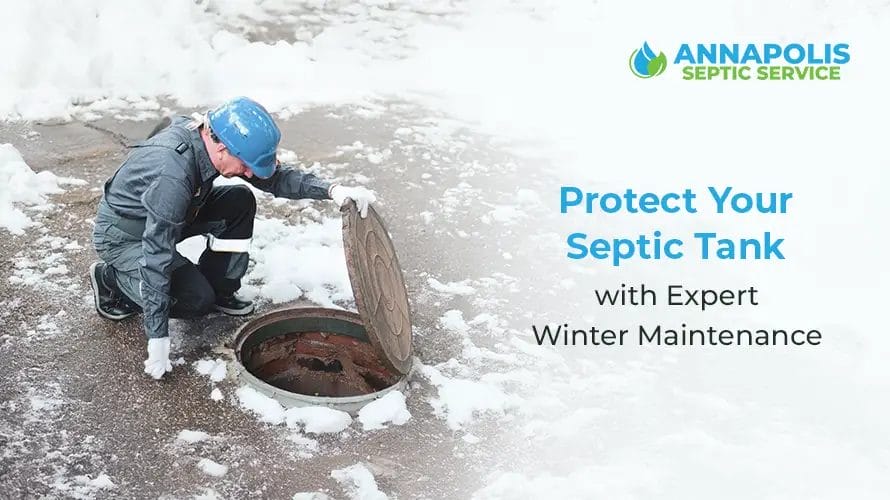
How Annapolis Septic Service Can Help Protect Your Septic Tank in Winter
Winter is beautiful, but it can also bring challenges for your septic system. Whether you’re managing a home or business, it’s essential to keep your septic tank well-maintained during the colder months. With the right precautions, such as insulation, regular maintenance, and reducing water usage, you can help protect your septic system from winter’s freezing temperatures.
At Annapolis Septic Service, we specialize in commercial and residential septic tank services to ensure your septic system stays well-prepared for the winter months. Serving homes and businesses in Anne Arundel, Calvert, and Prince George Counties in Maryland, we can help you maintain and service your septic tank to avoid potential winter problems. Contact us today for all your septic needs and keep your system running smoothly throughout the cold season.