
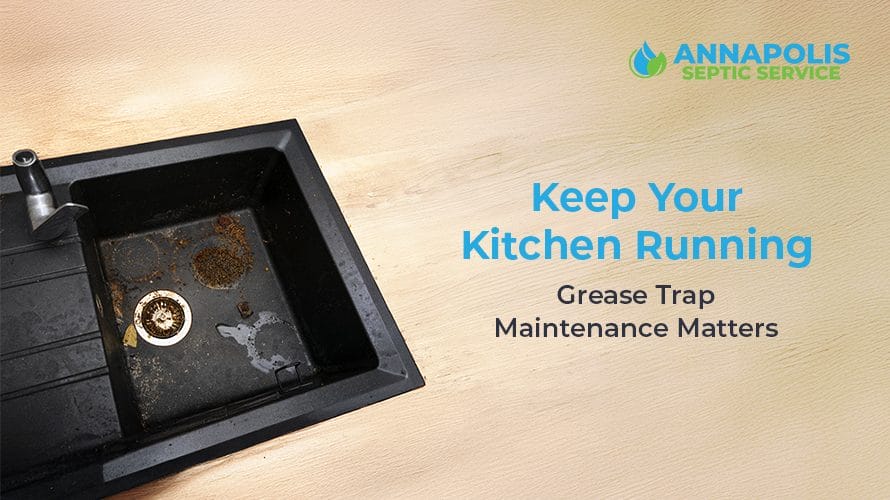
If you’ve ever had to close your restaurant or commercial kitchen because of a clogged grease trap, you already know how fast things can spiral out of control. One day, you’re serving customers, and the next, you’re dealing with foul odors, blocked drains, or even a visit from the health inspector. The good news? Regular grease trap maintenance can save you from these messy, costly surprises.
In this blog, we’ll walk through why keeping up with grease trap care isn’t just good hygiene-it’s smart business. We’ll also break down the signs of trouble, the benefits of consistent maintenance, and how to stay on top of your system before it turns into a problem.
Why Grease Trap Maintenance Matters
Grease traps are an essential part of any commercial kitchen’s plumbing system. They’re designed to catch fats, oils, and grease (commonly known as FOG) before these substances enter your sewer line. When these traps are neglected, the grease hardens and builds up, causing blockages that can result in backups, odors, and potential fines from local health authorities.
Routine grease trap maintenance ensures that your system runs smoothly and doesn’t get overwhelmed by buildup. It’s not just about keeping things clean-it’s about keeping your business open and operating without interruptions.
The High Cost of Ignoring Grease Trap Maintenance
You might think putting off maintenance for another week (or month) isn’t a big deal. But in reality, ignoring your grease trap can lead to expensive consequences. When traps fill up, FOG begins to slip into your sewer lines. Over time, this leads to clogs that require high-pressure jetting, line replacement, or emergency pumping.
Emergency plumbing services for a blocked grease trap don’t come cheap-and that’s if you catch it early. A major backup could result in damage to your kitchen, property, and even surrounding businesses if you’re in a shared building. Not to mention, you could be forced to shut down until the problem is resolved.
These headaches (and costs) can be easily avoided with timely grease trap inspections and scheduled maintenance. Staying ahead of problems is far more affordable than cleaning up after them.
What’s Involved in Grease Trap Maintenance?
Grease trap maintenance typically includes a few key steps:
- Regular inspections: Checking the trap for buildup, leaks, or damage. A thorough grease trap inspection helps spot small issues before they become big problems.
- Pumping and cleaning: Removing grease, solids, and water to ensure the trap functions properly.
- Documentation: Keeping a record of maintenance for compliance with local regulations.
- Recommendations for repair or replacement: If your grease trap is aging or not performing efficiently, a professional can recommend the best course of action.
This kind of care extends the life of your grease trap and keeps your plumbing system healthier overall.
Signs Your Grease Trap Needs Attention
If you’re not sure when your trap was last serviced, your system might already be giving you clues. Watch out for:
- Unpleasant odors: A strong, greasy smell coming from drains or the trap area is often a sign of overflow or buildup.
- Slow drainage: If sinks or dishwashers are taking longer than usual to drain, the trap could be full.
- Grease in unusual places: If you see grease in sinks, on floors, or near cleanout pipes, it may be escaping from an overfilled trap.
- Pest problems: Insects and rodents love food waste and grease. An uptick in pests could mean it’s time to clean things out.
Catching these signs early can help you avoid an emergency service call—and keep your business running smoothly.
How Often Should You Schedule Grease Trap Maintenance?
How frequently you need grease trap maintenance depends on the size of your trap and the volume of FOG your kitchen produces. Some commercial kitchens may need service every month, while others can stretch to every three months. High-traffic restaurants or those with heavy fryer use will need more frequent cleanings.
The best way to stay on schedule is to set up a routine maintenance plan with a trusted septic service provider. That way, you’re not scrambling to book an emergency appointment when something goes wrong.
Stay Proactive with Seasonal Maintenance
Grease traps don’t take a break during the year, nor should your maintenance routine. Seasonal changes, especially temperature shifts, can affect how grease behaves in your system. During colder months, grease hardens faster, which can lead to blockages. In warmer weather, odors can intensify if traps aren’t cleaned properly.
For more seasonal advice, check out our blog post, Seasonal Tips for Commercial Septic Tank Maintenance in Annapolis . It’s packed with helpful insights to keep your system running efficiently all year round, especially in the Annapolis area.
Compliance and Health Code Regulations
Local and state regulations often require that commercial kitchens maintain their grease traps regularly. Failing to meet these standards can result in fines, citations, or even forced closures. Documented grease trap inspection and cleaning logs are your best defense in case of an audit or inspection.
Professional maintenance also ensures that your grease trap operates within compliance, reducing your legal risk and protecting your business reputation.
Why Work with a Professional?
While it might be tempting to handle grease trap cleaning yourself, it’s a job best left to trained professionals. Grease trap waste is considered hazardous and must be disposed of according to environmental regulations. Professionals have the tools, knowledge, and proper disposal systems to get the job done quickly, safely, and thoroughly.
More importantly, experienced technicians know what to look for. A trained eye can spot early signs of wear, corrosion, or improper installation, saving you from future expenses.
Let Annapolis Septic Service Help You Avoid Emergencies
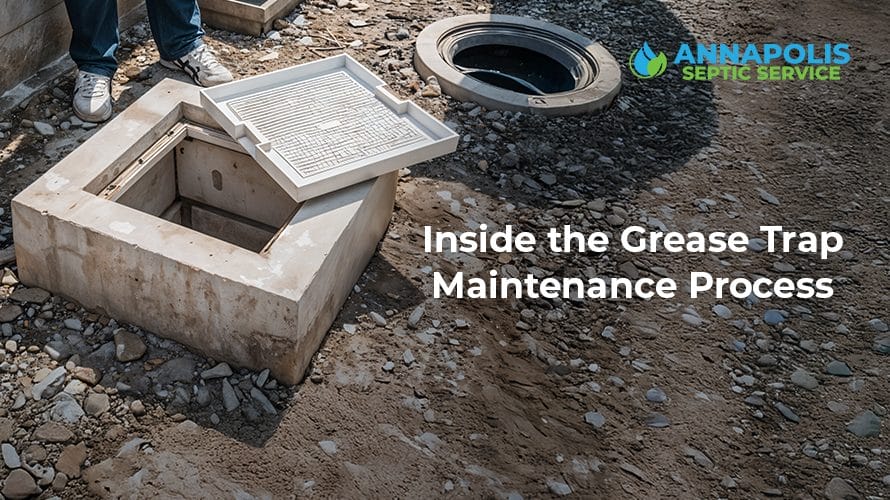
At Annapolis Septic Service, we know how important it is to keep your commercial kitchen running without interruptions. That’s why we offer dependable, professional grease trap maintenance services tailored to your needs. Whether you’re running a busy restaurant, school cafeteria, or hotel kitchen, our team is here to help you stay on top of maintenance and avoid costly emergency repairs.
We’ll handle everything-from grease trap inspection to thorough clean-outs and compliance documentation-so you can focus on what you do best: running your business.
Contact us today to learn more about our commercial grease trap maintenance services and how we can help protect your plumbing and your peace of mind.