
When you think of fall, chances are you picture pumpkins on porches, crisp mornings, and colorful leaves crunching underfoot. What probably doesn’t cross your mind? Your septic system. But just like your roof, gutters, or heating system, your septic tank feels the impact of changing seasons. Ignoring it during fall can leave you facing messy surprises when winter rolls around.
That’s where septic services come in. A little preparation now ensures your system can handle seasonal changes, from heavy fall rains to freezing winter temperatures.
Why Seasonal Changes Matter for Septic Systems
Your septic system is underground, but it’s not immune to the weather. Rain, temperature swings, and even how you use water at home all play a role in how well it functions.
During fall, heavy rainfall and falling leaves can stress your drain field. Colder nights set the stage for winter freezes, which can affect pipes and tank components. With the holiday season approaching, septic systems face extra pressure from guests, cooking, and laundry.
Without timely septic services, both residential and commercial systems are more likely to back up, clog, or fail altogether.
Fall Rains and Your Drain Field
Fall often brings more rain than summer, and that excess water can cause trouble for your drain field. When the ground becomes saturated, wastewater doesn’t filter properly. This can lead to pooling in your yard, bad odors, and eventually backups inside the house.
Regular inspections and pumping are key residential septic tank services that prevent these issues. For businesses, especially restaurants or facilities with heavy water use, commercial septic tank services ensure the system can handle increased demand without failing during peak hours.
The Threat of Falling Leaves
Leaves are pretty on trees, not so much when they’re clogging gutters and downspouts. If not cleared, rainwater mixes with leaf debris and floods areas around your drain field. That extra runoff stresses the system and can slow the absorption process.
Clearing leaves from your yard, especially near the septic area, is a simple fall chore that makes a big difference. Pair that with scheduled septic services, and you’re well protected heading into winter.
Preparing for Cold Temperatures
As temperatures dip, septic systems face a new set of challenges. Pipes close to the surface and tank components are vulnerable to freezing. Once water inside freezes, it expands and can cause cracks or blockages.
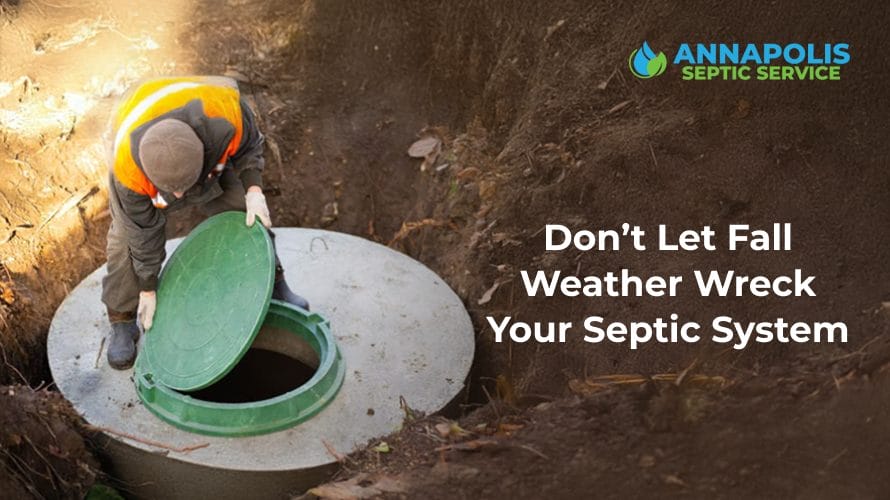
Professional septic services in the fall typically include checking insulation around exposed pipes, inspecting tank lids for secure sealing, and ensuring no leaks allow cold air to penetrate. Preventing a frozen system is far less expensive than repairing one.
Increased Household Demand During Fall
Fall means holidays, football parties, and houseguests. While gatherings are fun, they can strain a septic system with extra laundry, showers, and dishwashing. Systems already nearing capacity might not be able to handle the surge.
For homeowners, routine residential septic tank services like pumping and inspections before the season kicks into high gear can save you from embarrassing backups. For businesses, commercial septic tank services ensure that customer-heavy operations like restaurants, schools, or event venues run smoothly when traffic increases.
Signs Your Septic System Needs Attention This Fall
How do you know if your system could use some TLC this season? Watch for these warning signs:
- Slow-draining sinks or tubs
- Gurgling sounds in plumbing
- Unpleasant odors inside or outside
- Pools of water near the drain field
- Lush, bright green patches of grass around the tank
If you notice any of these, don’t wait. Schedule septic services right away before the problem worsens.
Fall Septic Maintenance Checklist
To keep things simple, here’s a practical fall checklist you can follow:
- Schedule a professional inspection or pumping if due.
- Clear leaves and debris away from the drain field.
- Check gutters and downspouts to ensure water flows away from the septic area.
- Reduce water usage by fixing leaks and spreading out laundry loads.
- Insulate pipes and protect exposed tank lids from freezing.
- Avoid parking or driving on the drain field to prevent soil compaction.
Tackling these steps, combined with regular septic services, helps your system perform reliably year-round.
Why Fall Is the Smartest Time for Septic Services
Think of fall as your last chance before the ground freezes and winter makes repairs more difficult. Technicians can access the tank more easily, inspect drain fields before snow covers them, and make adjustments that protect your system during the harshest months.
Whether you need septic tank services for your home or for your business, fall is the season to get it done. Waiting until winter could mean longer response times and costlier repairs.
Get Your Septic System Fall-Ready Before Winter Hits
Your septic system works quietly year-round, but fall is when it needs extra attention to stay in top shape. From heavy rains to colder nights and increased holiday usage, seasonal changes put pressure on your tank and drain field. With proper services, you can avoid costly breakdowns and keep your system running smoothly into winter and beyond.
At Annapolis Septic Service, we specialize in helping homeowners and businesses prepare their septic systems for the challenges of fall. Our septic tank services are designed to keep everything flowing the way it should – no surprises, no stress.
Don’t wait until winter problems strike. Contact us today to schedule your fall septic service and keep your system protected all season long.
FAQs
1. Why is fall an important season for septic services?
Fall is a transition period that prepares your system for both heavy autumn rains and freezing winter conditions. Scheduling septic services now ensures your tank and drain field are ready for seasonal stress, helping you avoid backups, frozen pipes, or costly mid-winter emergencies.
2. How often should residential septic tanks be pumped?
Most households need pumping every 3–5 years, but this depends on household size and water usage. Fall is a great time to schedule pumping as part of regular residential septic tank services, so your system is fresh going into the winter months.
3. Do commercial septic systems require different care in the fall?
Yes. Businesses like restaurants, schools, or event venues often place heavier demands on their septic systems, especially during busy fall and holiday seasons. Regular commercial septic tank services help prevent backups and downtime that could disrupt operations.
4. Can heavy fall rains damage a septic system?
Excess rain saturates the soil, making it harder for wastewater to filter through your drain field. This can cause slow drains, odors, or standing water in your yard. Routine septic services in fall include inspections that help ensure your drain field is ready for wetter conditions.
5. What steps can homeowners take to protect their septic systems in colder weather?
Simple actions like insulating exposed pipes, clearing leaves and debris from the drain field, and spreading out laundry loads can reduce seasonal strain. Pairing these habits with professional septic services gives your system the best chance to perform reliably through the cold months.