
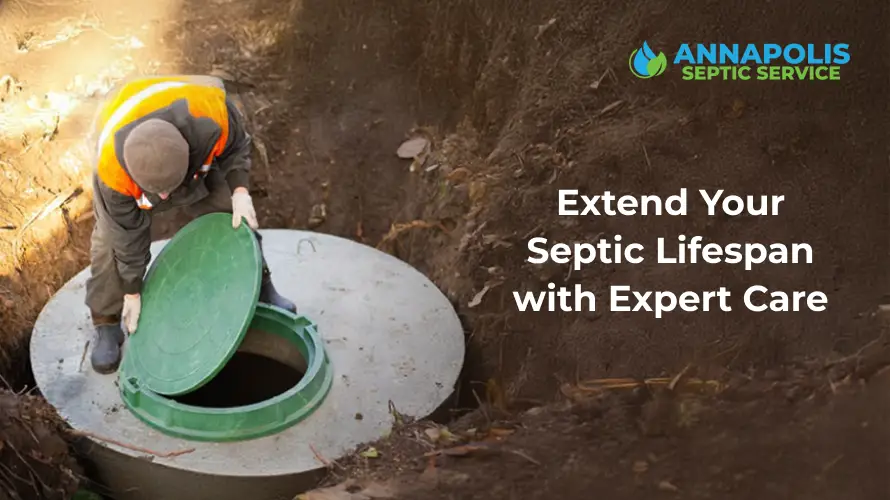
A septic system is one of those things most people never think about until it becomes a problem. When everything flows smoothly, life moves on as usual. But the moment the system gets clogged or fails, everything grinds to a halt. A backed-up property, foul smells, and emergency repairs are not just inconvenient; they can be extremely expensive. The best part is that most septic issues are preventable. Simple habits and regular maintenance can significantly increase the lifespan of a septic system and keep everything working efficiently for years beyond the average lifespan of a system.
Why Septic Lifespan Is Worth Protecting
Think of your septic system the same way you think of a vehicle. You would never drive thousands of miles without maintaining the engine, yet many homeowners do something similar with their septic system. When septic lifespan is protected, property owners save money, avoid stressful breakdowns, and maintain a healthier home or business environment. Whether a property uses residential septic service or commercial septic service, proactive maintenance is always more affordable than waiting until something goes wrong.
Extending system lifespan protects your investment. A well-maintained septic system reduces the need for emergency repairs and provides the peace of mind that everything beneath your property is functioning as it should.
Understanding How Your Septic System Works
A septic system is more than a buried tank. It functions like a small treatment facility. Wastewater flows into the tank where solids settle to the bottom and lighter materials float to the top. Natural bacteria inside the tank break down the waste over time. Liquids leave the tank and flow into the drainfield, where the soil naturally filters the water.
When too many solids accumulate inside the tank, they can be discharged before they are ready. If solids enter the drainfield, they clog the soil, leading to expensive repairs. Protecting septic lifespan begins with making sure solids never reach that stage.
The Importance of Regular Pumping
Routine pumping is one of the most effective ways to extend the lifespan of a septic system. Over time, solids accumulate at the bottom of the tank. Pumping removes those solids before they have the chance to enter the drainfield. If you are unsure of the last time your tank was serviced, it is due for a check.
Homes typically need pumping every few years, but the schedule depends on usage. Businesses or properties with increased activity often need more frequent pumping. Waiting for odors, soggy soil, or slow drains usually means the problem has already progressed. Consistent septic tank maintenance ensures the system operates efficiently, preventing you from having to deal with an emergency later.
Be Mindful of What Goes Down Your Drains
Your septic system is designed to handle only wastewater and septic-safe toilet paper. Anything else can disrupt the natural breakdown process and shorten septic lifespan. Disposable wipes, paper towels, cotton products, and feminine hygiene items do not break down in the same way and should never be flushed down the system. In the kitchen, grease and cooking oils create a sticky buildup that solidifies in pipes.
Chemicals create an entirely different problem. Harsh cleaners and solvents can kill the natural bacteria in the tank. When bacteria die off, solids no longer break down properly. The tank fills faster, forcing solids toward the drainfield, where damage is costly and difficult to fix. Treat every drain as if it connects directly to your septic system, because it does.
Manage Water Usage Throughout the Day
Your septic system needs time to process wastewater. Pushing large amounts of water into the tank all at once can stir up solids and send them into the drainfield. Instead of washing all your laundry in a single afternoon, spacing loads throughout the week allows the system to work at a steady pace. Long showers back-to-back or running the dishwasher while washing clothes can overwhelm the system.
Small adjustments can make a significant difference in extending septic system lifespan. When water flow stays consistent, bacteria have time to work, and solids remain where they belong.
Protect the Drainfield Above Ground
What happens above your drainfield affects what happens below it. The soil above the drainfield should remain clear and breathable, allowing wastewater to filter through naturally. Parking vehicles or placing heavy structures on the drainfield compacts the soil, interfering with filtration. Even landscaping matters. Trees and shrubs send their roots deep into the ground, which can damage the pipes.
The best thing you can do for your drainfield is leave it alone. Let grass cover the area and avoid anything that adds weight or creates pressure. A properly protected drainfield is crucial for maximizing the lifespan of a septic system.
Watch for Early Warning Signs
A septic system rarely fails without warning. Slow drains throughout the home often signal that the system is struggling. Gurgling sounds in sinks or toilets, unpleasant odors, or unusually wet or muddy soil outside are also indicators that something is not working correctly. One of the most overlooked warning signs is when the grass over the drainfield becomes greener and healthier than the surrounding grass. That is not a gift from nature. It is untreated wastewater feeding the soil.
Ignoring these early signs does not save money. It usually leads to higher costs later.
Keep Simple Records for Long-Term Success
Most homeowners do not remember the last time their tank was pumped. A simple note on a calendar or digital reminder can prevent accidental neglect. Record each pumping date and any recommendations made by a technician. Over time, this record keeps your maintenance routine consistent and prevents uncertainty.
When you are aware of your service history, you can avoid accidentally waiting too long between visits and protect the lifespan of your septic system.
When You Need Professional Support
Daily habits go a long way, but some maintenance requires expert service. If you suspect the tank is full, if you see pooling water near the drainfield, or if your property has undergone a change in usage, such as hosting more people more frequently, it is time to schedule septic tank maintenance. A professional can measure sludge levels, inspect the system, and identify possible problems before they escalate.
Proactive Care Keeps Your Septic Running Smoothly
Maximizing septic lifespan is simpler than most homeowners expect. It begins with small, everyday choices, such as being mindful of what enters the system and staying consistent with routine care. When your tank receives attention before problems develop, it performs more efficiently, runs cleaner, and avoids unexpected repairs. Your septic system operates quietly in the background every day, and just like any hard-working system, a little care goes a long way in keeping your property functioning smoothly without disruptions.
For homeowners and businesses ready to stay ahead of issues and protect their investment, professional septic tank maintenance makes all the difference. Annapolis Septic Service offers reliable and comprehensive care throughout Anne Arundel County, Prince George’s County, Calvert County, Queen Anne’s County, and surrounding areas. To extend the lifespan of your septic system and keep it operating smoothly year-round, contact us to learn more.
FAQs
1. What are some common signs that my septic system needs maintenance?
Signs that your septic system might need attention include slow drainage, foul odors near the tank, and pooling water around the drain field. Regular inspections and early intervention can prevent costly repairs and extend the lifespan of your septic system.
2. How often should I schedule septic maintenance for my home?
For most households, septic maintenance should be done every 3-5 years. However, if your system sees heavy use or if you have a larger tank, more frequent checks might be necessary. Consult with a professional to determine the right schedule for your property.
3. Can regular maintenance really extend the life of my septic system?
Yes! Regular septic tank maintenance can significantly extend the lifespan of your system. Simple steps, such as pumping the tank, avoiding harmful chemicals, and ensuring proper drainage, can prevent major problems, saving you from expensive repairs down the road.
4. What happens during septic system maintenance?
Septic system maintenance typically includes inspecting the tank, checking for clogs, removing waste buildup, and ensuring that the drainage system is functioning properly. The goal is to ensure that your system operates efficiently and prevents potential issues before they occur.
5. Are commercial septic services different from residential maintenance?
Yes, commercial septic systems tend to be larger and more complex than residential systems, so they require specialized care. A professional will assess the needs of your property and offer a tailored maintenance plan to keep your system running smoothly.