
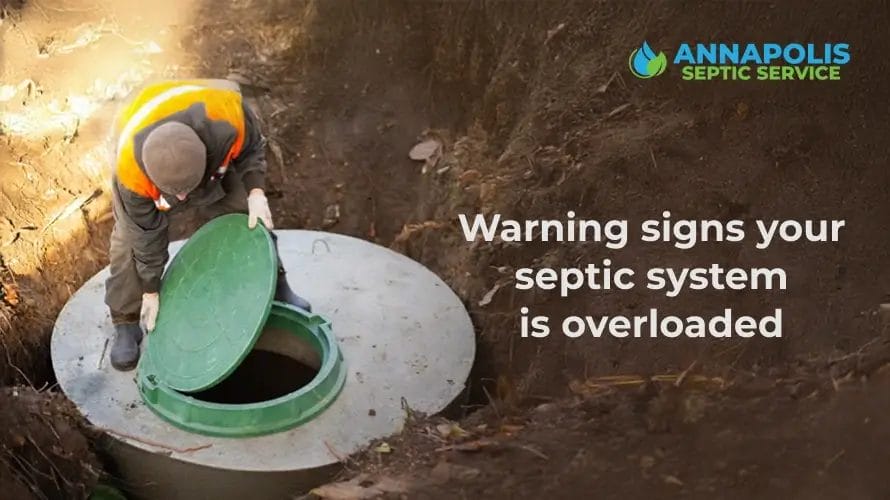
A septic system usually works quietly in the background. But when it becomes overloaded, things can go wrong fast. Knowing when to act can help you avoid property damage, health risks, and costly repairs. In many cases, emergency pumping is the only way to stop the situation from getting worse.
Septic tank overload happens when wastewater exceeds the system’s capacity, often leading to a septic system overload condition. This can cause backups, slow drainage, or even sewage surfacing in your yard. In many urgent situations, homeowners end up needing emergency septic pumping to prevent further damage.
In addition to emergency pumping, Annapolis Septic Service also offers other septic services, such as septic system installation and repair, to support all your septic needs.
What causes a septic system to become overloaded?
Before diving into the warning signs, it helps to understand why overload happens in the first place.
The most common reason is simply too much water entering the system in a short period. This can happen during gatherings, heavy laundry use, or long showers. Over time, solids also build up inside the tank. Without regular residential septic tank pumping, these solids reduce the tank’s capacity, making overload more likely.
Other contributing factors include:
- Heavy rainfall saturating the surrounding soil
- Excessive use of garbage disposals
- Flushing non-biodegradable items
- Aging or poorly maintained systems
When these issues combine, your septic system can quickly reach a breaking point.
7 warning signs your system needs emergency pumping
If your system is struggling, it will give you clues. Acting early can prevent a full-blown septic tank backup situation.
1. Slow drains throughout the house
One slow drain might not mean much. But if multiple fixtures are affected, it could be one of the first signs septic tank is full.
2. Gurgling sounds in pipes
Strange bubbling or gurgling noises often signal trapped air in the system. This happens when wastewater cannot flow properly, a common symptom of overload.
3. Sewage backup in the home
This is one of the clearest and most urgent signs. If wastewater starts coming back up through drains or toilets, the tank is likely full and needs immediate attention.
4. Unpleasant odors indoors or outdoors
A strong sewage smell in your home or yard usually means waste is not being properly contained. This often points to a full or overloaded tank.
5. Standing water in the yard
If you notice soggy patches or pooling water near your septic area, your system may be pushing excess wastewater to the surface.
6. Lush, unusually green grass
While it might look nice at first, overly green grass around your septic area can indicate leakage from an overfilled tank.
7. Frequent need for home septic tank cleaning
If you find yourself scheduling cleanings more often than expected, your system may be under stress or improperly sized for your household.
Need Help With Your Septic System?
Annapolis Septic Service helps homeowners choose the right septic solutions
for inspections, repairs, and maintenance.
Contact us today to schedule your service or request a free estimate.
Emergency pumping vs waiting: when should you act?
Not every septic issue requires immediate action, but some situations should never be ignored.
You should consider emergency pumping right away if:
- Sewage is backing up into your home
- You notice standing wastewater in your yard
- Strong odors are persistent and worsening
- Toilets stop flushing properly
On the other hand, minor slow drainage without other symptoms might allow for short-term monitoring. However, waiting too long can turn a manageable issue into a major problem.
What to do when your septic system is backing up
If you suspect your system is overloaded, quick action can limit damage.
Step 1: Stop using water immediately. Avoid flushing toilets, running dishwashers, or doing laundry.
Step 2: Check for obvious signs like standing water or odors.
Step 3: Keep people and pets away from affected areas to reduce health risks.
Step 4: Arrange for residential septic tank pumping as soon as possible.
Reducing water usage even for a few hours can prevent further strain while you address the issue.
How often should you schedule residential septic tank pumping?
Regular maintenance is the best way to avoid emergencies. Most households should plan for residential septic tank pumping every three to five years, depending on tank size and usage.
Many homeowners ask how often a septic tank should be pumped. The answer depends on household size and usage, but most systems benefit from regular pumping every few years to avoid overload and unexpected issues.
Homes with larger families or higher water usage may need more frequent service. Keeping up with home septic tank cleaning helps remove solid buildup before it causes overload.
Skipping routine maintenance is one of the main reasons homeowners end up needing urgent service.
The impact of heavy rain on septic systems
In areas like Maryland, seasonal rain plays a major role in septic performance. When the ground becomes saturated, it cannot absorb wastewater effectively. This puts extra pressure on your system and increases the risk of overload.
After heavy rain, watch for:
- Slower drainage
- Wet spots near the tank
- Strong odors outside
These signs may appear even if your system was working fine before the storm.
Can septic overload lead to bigger problems?
Yes, and the consequences can be serious.
Ignoring early warning signs can lead to more serious septic system problems, including damage to the drain field and costly repairs.
Ignoring an overloaded septic tank can lead to:
- Drain field failure
- Contamination of groundwater
- Structural damage to your home
- Expensive repairs or system replacement
In some cases, untreated wastewater can also pose health risks to your family and neighbors. Acting early is always the safer and more cost-effective choice.
When pumping is not enough
While emergency pumping can solve many septic overload issues, it is not always a permanent fix. In some cases, the problem goes beyond a full tank and points to deeper septic system problems.
If your system continues to experience backups, slow drainage, or standing water shortly after pumping, there may be damage to the drain field, clogged pipes, or structural issues within the system. A septic tank not draining properly, even after service, is often a sign that additional inspection and repair may be needed.
Older systems, neglected maintenance, or long-term overload can also lead to drain field failure. When this happens, pumping alone will not restore normal performance.
This is why professional septic service is important after repeated septic issues. Identifying the root cause early can help prevent larger repairs, property damage, and ongoing wastewater problems.
Preventing septic overload in the future
While emergencies can happen, there are simple steps you can take to reduce the risk.
Spread out water usage instead of doing everything at once. Be mindful of what goes down your drains. Avoid flushing wipes, grease, or other materials that do not break down easily.
Routine home septic tank cleaning and scheduled residential septic tank pumping are your best defenses. These practices keep your system operating efficiently and help you avoid unexpected issues.
Act early, avoid costly septic emergencies
Septic tank overload is not something you want to ignore. The warning signs are often easy to spot if you know what to look for, and acting quickly can save you from costly repairs and major disruptions. When problems escalate, emergency pumping becomes essential to restore your system and protect your home.
If you are dealing with urgent septic issues, Annapolis Septic Service offers reliable emergency pumping solutions for residential septic tank systems. Our team responds quickly to help manage overload situations and get your system back on track when it matters most.
Annapolis Septic Service proudly provides services across multiple locations throughout Maryland, including Annapolis, Severna Park, Edgewater, Deale, and surrounding areas, ensuring reliable septic solutions wherever you are in the service area.
Contact us today to learn more about our services and how we can help keep your septic system running smoothly.
FAQs
1. What are the signs of a full or overloaded septic tank?
Common warning signs include slow drains throughout the house, gurgling sounds in pipes, sewage odors indoors or outdoors, and water pooling in your yard. In more serious cases, you may experience a septic tank backup in the house, which signals the need for immediate attention. Recognizing these signs early can help you avoid costly damage.
2. What should I do if my septic tank is backing up into the house?
First, stop using water immediately to prevent further strain on the system. Avoid flushing toilets, running sinks, or using appliances like dishwashers. Keep people and pets away from affected areas, then arrange for professional help as soon as possible. Quick action can limit damage and restore your system faster.
3. How much does septic tank pumping cost in Maryland?
The cost of septic tank pumping in Maryland typically depends on tank size, accessibility, and how full the system is. For most residential systems, homeowners can expect a moderate service cost, with higher pricing for urgent situations or larger tanks. Regular maintenance helps avoid higher emergency expenses.
4. Is emergency septic pumping more expensive than scheduled pumping?
Yes, emergency septic pumping is usually more expensive than routine service. This is because it often requires immediate response, additional labor, and sometimes after-hours work. Staying consistent with residential septic tank pumping can help you avoid these urgent and often costlier situations.
5. How often should I pump my septic tank?
Most septic systems should be pumped every three to five years, depending on household size and water usage. Homes with higher usage may need more frequent service. Keeping up with home septic tank cleaning helps prevent overload and keeps your system running efficiently.
6. What can I do to prevent septic tank overload?
To prevent overload, spread out water usage during the week instead of doing everything at once. Avoid flushing non-biodegradable items, limit grease disposal, and be mindful of how much water your household uses daily. Routine maintenance and timely pumping are key to preventing problems.
7. What is the difference between pumping a septic tank and fixing the drain field?
Pumping a septic tank removes accumulated solids and restores capacity within the tank. Fixing the drain field, on the other hand, involves addressing issues waith how wastewater is absorbed into the soil. Pumping is routine maintenance, while drain field repairs are typically more complex and costly.
8. Can a failed drain field be repaired, or must it be replaced?
In some cases, minor drain field issues can be repaired, especially if caught early. However, severe damage or long-term neglect may require a full replacement. Regular septic maintenance and timely pumping can help extend the life of your drain field and reduce the risk of failure.