
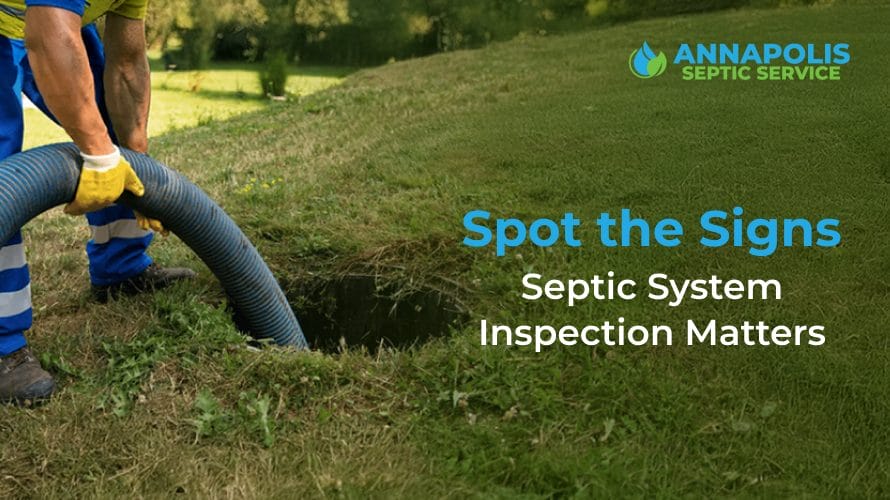
Winter has a way of magnifying problems you didn’t even know were there. From frozen pipes to overworked heating systems, it’s a season that tests the limits of your home. But one system that often gets overlooked before the cold sets in is your septic system. A neglected septic system can lead to unpleasant surprises, especially when temperatures drop. Scheduling a septic system inspection before winter isn’t just smart; it’s a cost-saving and stress-reducing decision.
So how do you know it’s time to call in the experts? Here are seven warning signs that shouldn’t be ignored.
1. Slow Flushing Toilets and Gurgling Sounds
One of the earliest indicators of septic trouble is when toilets begin flushing slowly or you hear gurgling noises in the bathroom or kitchen. These sounds often signal that wastewater is struggling to move through the system. If left unchecked, the problem can worsen during winter when soil conditions harden and your system is under extra stress. A timely septic system inspection can pinpoint the issue and keep things flowing smoothly.
2. Unpleasant Odors Around Your Yard
If you notice foul odors near your yard, especially around the septic tank area, it’s a red flag. A healthy system should not emit strong smells. Bad odors can mean a full tank, leaks, or ventilation problems – all of which should be handled before the freezing weather arrives. Winter makes repairs more challenging, so addressing odors early ensures your system stays trouble-free through the season.
3. Standing Water or Soggy Patches
Pooling water in your yard, even if it hasn’t rained recently, often indicates septic system problems. Soggy patches around the tank or drainfield could signal an overflow or malfunction. When the ground freezes in winter, excess water has fewer places to go, worsening the situation. A septic system inspection at the first sign of unusual wet spots can prevent serious, costly issues later.
4. Frequent Backups in Sinks and Showers
Backups are more than just inconvenient; they’re a sign your septic system isn’t functioning properly. If water backs up into sinks, bathtubs, or showers, it could mean the tank is reaching capacity or there’s a blockage somewhere in the system. Before winter arrives, it’s critical to resolve these issues, since frozen ground and colder temperatures make emergency service more complicated.
5. Greener Grass Over the Drainfield
It may sound like a good thing to see lush, green grass over your septic drainfield, but it’s actually a sign of trouble. When wastewater isn’t properly filtering underground, it can surface near the drainfield, acting like a fertilizer. While your lawn might look healthy, your system is working improperly, and that’s a problem that will only worsen in winter. An inspection ensures your system is handling wastewater correctly.
6. Alarms or Warning Lights on Your System
Modern septic systems often have alarms or indicator lights to warn you when something’s wrong. If these alarms go off, don’t ignore them. They usually mean the tank is too full, a pump isn’t working, or there’s another mechanical issue. Addressing these warnings before winter gives you peace of mind knowing your system is prepared to handle the season.
7. It’s Been More Than a Year Since Your Last Inspection
Even if you haven’t noticed any obvious signs, going too long without a professional checkup can be risky. A septic system works silently in the background, and small problems often go unnoticed until they become major ones. If it’s been more than a year since your last septic system inspection, schedule one before winter sets in. Preventive care is always more affordable and less stressful than emergency fixes in freezing weather.
Why Winter Makes Septic Problems Worse
Winter brings its own set of challenges for septic systems. Frozen ground makes it harder to access the tank, and excess water from snow and ice can overwhelm the system if it’s already struggling. Plus, the added stress of holiday gatherings often means heavier water use, which can push a weak system over the edge. By addressing warning signs now, you’re protecting your home from mid-winter emergencies.
How Septic Tank Services Fit Into the Picture
Professional septic tank services go beyond inspections. They include routine maintenance, pumping when necessary, and ensuring all system components are working efficiently. These services keep your system healthy year-round and reduce the chance of sudden breakdowns. Think of it as giving your septic system the seasonal tune-up it needs to handle cold weather and extra holiday usage.
Practical Tips for Homeowners Before Winter
While professional inspections are essential, here are a few simple steps you can take on your own:
- Limit heavy water usage all at once to prevent system overload.
- Keep vehicles and heavy equipment off the drainfield to avoid damage.
- Insulate the area above your septic system with mulch to help protect it from freezing temperatures.
- Stay alert for the signs mentioned above and don’t wait to take action.
These measures, combined with professional septic tank services, will help safeguard your system throughout the winter.
Protect Your System Before the Cold Hits
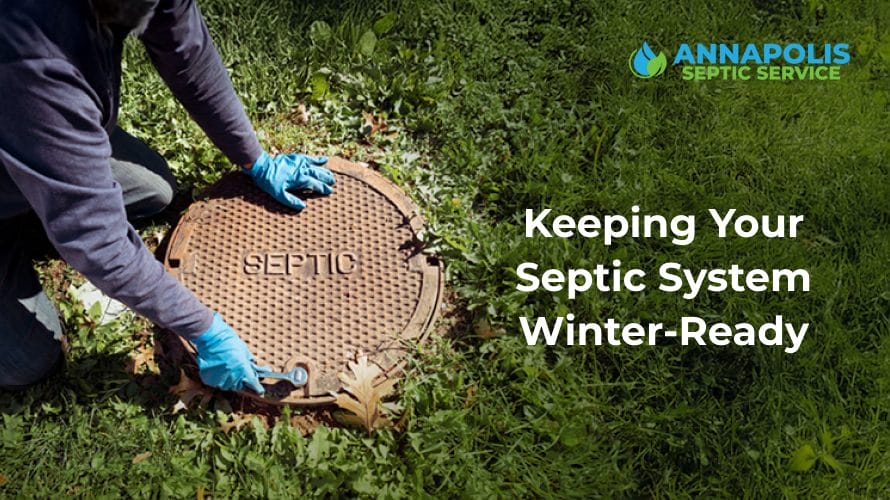
Your septic system is one of the most important parts of your property, and it deserves attention before winter sets in. The signs are often easy to spot: slow drains, unusual odors, wet patches in the yard, but ignoring them can lead to big headaches and even bigger bills once the temperature drops.
At Annapolis Septic Service, we specialize in maintaining residential and commercial septic systems in top condition throughout Annapolis and its surrounding areas. From thorough septic system inspections to reliable commercial and residential septic services, our team is dedicated to ensuring your system is ready for the season ahead.
Contact us today to learn more about our services and schedule your inspection before winter arrives.
FAQs
1. How often should I schedule a septic system inspection?
Most experts recommend scheduling a septic system inspection every 1–3 years, depending on your household size and water usage. Regular inspections help catch small issues before they turn into expensive repairs. If it’s been more than a year since your last check, it’s best to schedule one before winter.
2. What happens during a septic system inspection?
A professional will examine your tank, drainfield, and system components to ensure everything is working properly. They’ll check for leaks, blockages, or signs of overfilling. In some cases, they may recommend additional septic tank services, such as pumping, to keep the system in top shape.
3. Why is a septic inspection important before winter?
Cold weather makes it harder to service your septic system, and frozen ground can limit access to the tank. An inspection ensures your system is functioning correctly before snow, ice, and holiday water usage put extra stress on it.
4. What are the signs my septic tank needs professional services?
Warning signs include slow drains, foul odors in your yard, soggy ground near the drainfield, frequent backups, and greener grass patches above the tank. If you notice these issues, contact a provider for septic tank services right away.
5. Can septic tank services prevent emergency repairs?
Yes. Routine septic tank services such as inspections, pumping, and maintenance reduce the chance of unexpected breakdowns. Preventive care not only saves money but also protects your home from disruptive and messy emergencies during winter.